
Popular Foundation Repair Tools and Materials for Every Project
Get the right foundation repair products to effectively address issues and restore your home's foundation with confidence.
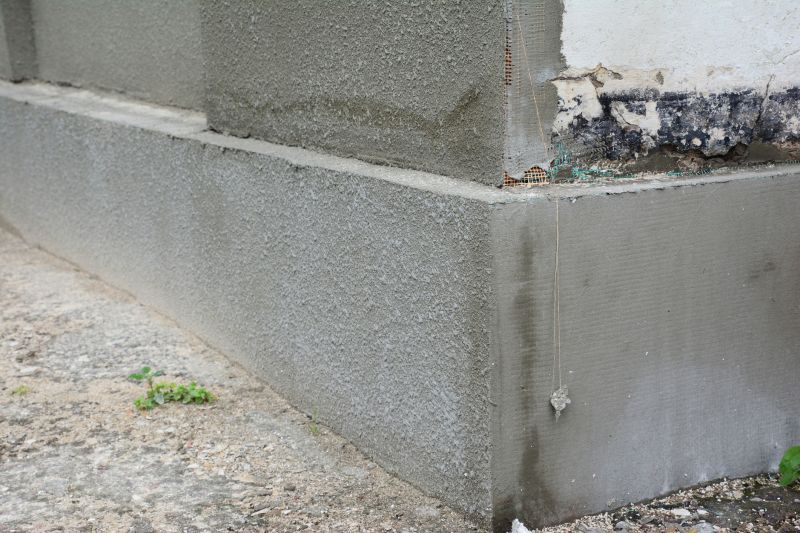 Foundation repairs are essential for maintaining the structural integrity and safety of a building. When issues such as settling, cracking, or shifting occur, it is important to assess the situation thoroughly and select appropriate repair products. These products come in various forms to address different types of foundation problems, whether they involve concrete, masonry, or other materials. Proper application and compatibility with existing structures are key factors to consider when choosing repair solutions.
Top Overall Option
Concrete Lifting and Stabilization System
A comprehensive concrete lifting and stabilization system offers a versatile approach to addressing various foundation issues. These systems typically include polyurethane foam or other injection materials designed to lift and stabilize sunken or uneven concrete slabs. They are suitable for both interior and exterior applications, providing a minimally invasive solution that can be applied with precision. Properly installed, these systems can help restore the levelness and stability of a foundation or slab, supporting the overall structure.
Types of Products For Foundation Repairs
Polyurethane Foam Injection
Used to lift and stabilize sunken concrete slabs and foundations, polyurethane foam injection is a popular choice for its quick application and minimal disruption.
Carbon Fiber Reinforcement
Applied to crack reinforcement, carbon fiber strips and staples help strengthen and prevent further cracking in concrete and masonry structures.
Helical Piers and Push Piers
These underpinning systems are driven into the soil to provide deep support and lift for settling foundations.
Concrete Patching and Crack Fillers
Designed to seal small cracks and surface damages, these products help prevent water intrusion and further deterioration.
Steel Push Supports
Steel supports are installed beneath the foundation to provide immediate stabilization and support for shifting or sagging structures.
Mudjacking and Slab Jacking
This method involves pumping a slurry beneath slabs to lift and level uneven concrete surfaces.
Epoxy Injection
Epoxy resins are used to bond and seal cracks, restoring structural integrity and preventing water infiltration.
Soil Stabilization Products
These products improve soil bearing capacity and reduce settlement issues caused by soil movement.
Drainage and Waterproofing Systems
Proper drainage and waterproofing help mitigate water-related foundation problems and soil erosion.
Anchor Bolts and Plates
Used to secure framing and structural elements to the foundation, providing additional stability.
Foundation Insulation and Vapor Barriers
These products help regulate moisture and temperature, reducing the risk of foundation damage.
Brace and Support Systems
Temporary or permanent supports that help stabilize walls and other structural elements during repair.
Popular Choices
A widely used method for quick lifting and stabilization of concrete slabs, often favored for its minimally invasive nature.
Effective for reinforcing cracked concrete and preventing further expansion, especially in load-bearing walls.
Commonly chosen for deep foundation support, especially in areas with shifting soil conditions.
A practical solution for leveling uneven slabs by pumping a stabilizing slurry underneath.
Popular for sealing cracks and restoring structural integrity in concrete foundations.
Frequently used for immediate stabilization in sagging or settling foundations.
Essential for managing water flow around foundations to prevent water-related damage.
Applied to exterior or interior surfaces to keep moisture out and protect foundation walls.
Used temporarily during repairs to hold walls or structures in place.
Applied to improve soil stability and reduce future settlement risks.
Seal small cracks and surface imperfections to prevent water intrusion.
Installed beneath slabs or over foundation surfaces to control moisture movement.
In Sterling Heights, Michigan, where soil conditions and climate can influence foundation stability, selecting the right products becomes even more critical. Homeowners and contractors often rely on a combination of products to achieve optimal results, including stabilization systems, lifting agents, and sealing compounds. Each product type offers distinct advantages depending on the severity and nature of the foundation issue.
Understanding the different options available can help in making informed decisions. For minor cracks, fillers and sealants may suffice, whereas significant settlement or shifting might require underpinning systems or helical piers. Regular inspection and maintenance can also help identify early signs of foundation problems, allowing for timely intervention with suitable products. Consulting with foundation specialists can further ensure that the selected products are appropriate for the specific needs of the property.
Key Buying Considerations
- Assess the severity and type of foundation issue before selecting products.
- Ensure compatibility of repair products with existing foundation materials.
- Consider the soil and environmental conditions specific to Sterling Heights, MI.
- Evaluate the long-term durability and performance of the repair products.
- Look for products that are easy to apply and suitable for your skill level or professional installation.
- Check for manufacturer warranties or guarantees that support product reliability.
- Prioritize products with proven effectiveness for your specific foundation problem.
- Consider the potential impact on your property’s landscaping and exterior appearance.
- Review safety instructions and necessary precautions during application.
- Budget accordingly, including costs for professional consultation if needed.
- Verify if the products are compliant with local building codes and regulations.
- Determine if the products require special tools or equipment for installation.
- Assess the drying or curing time to plan repair schedules effectively.
- Consult with foundation repair specialists for tailored recommendations.